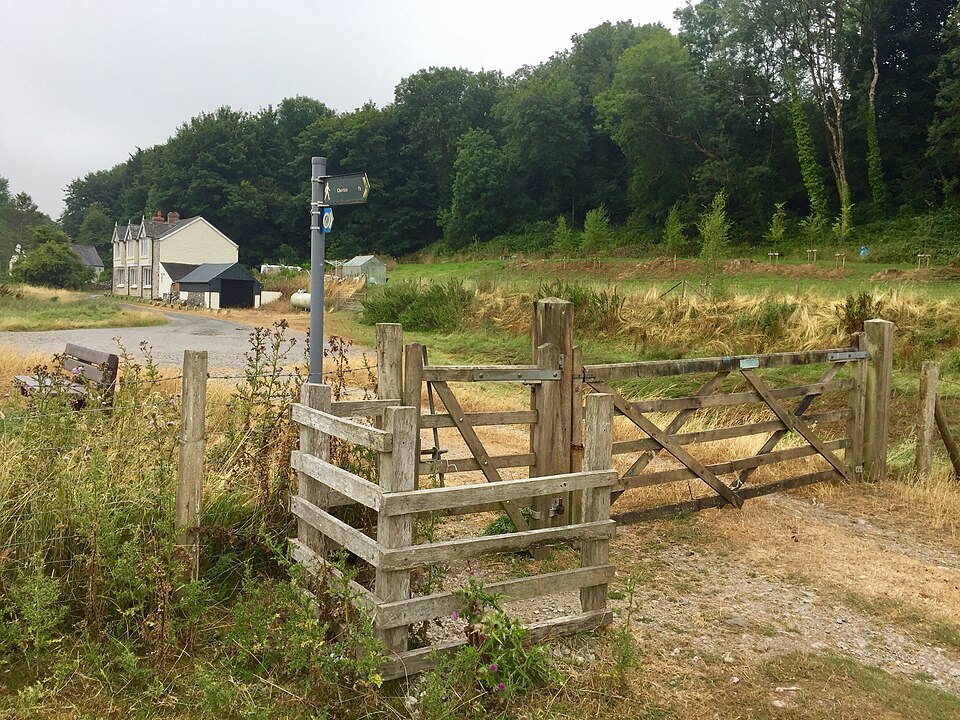
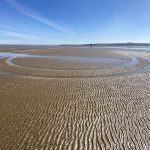
Today Landimore is a quiet hamlet of just a handful of houses, but its history is surprisingly rich. The ruins of Landimore castle are on private land largely hidden by trees. Set above the Burry Inlet the village was once a small but busy port, with boats using the inlet to import goods including coal and export locally produced lime and quarried limestone. (There are tales of smuggling and a French connection.)
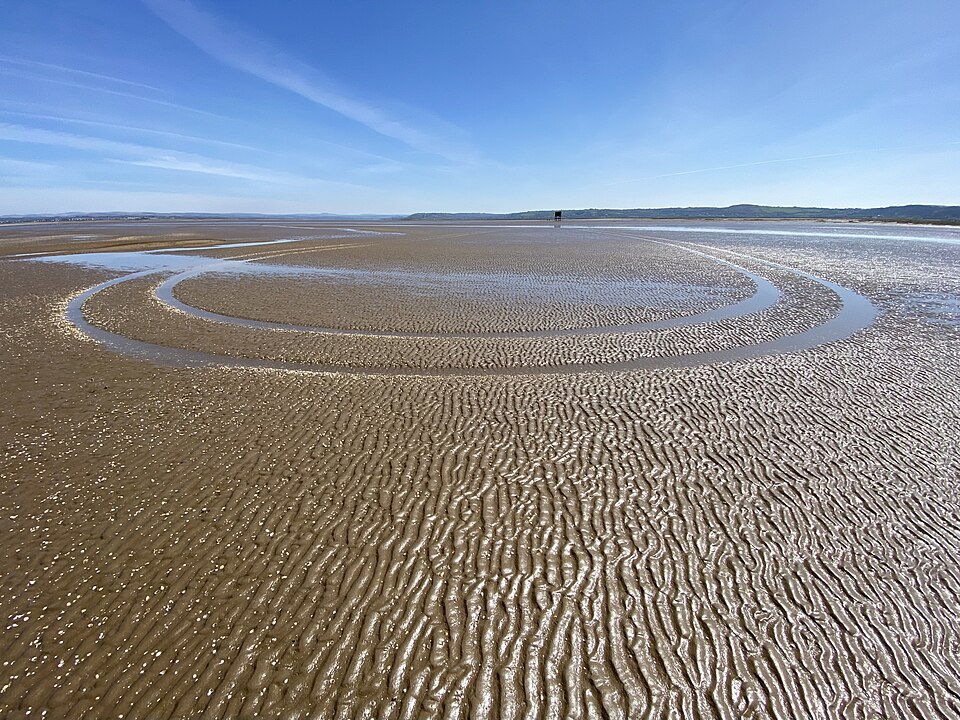
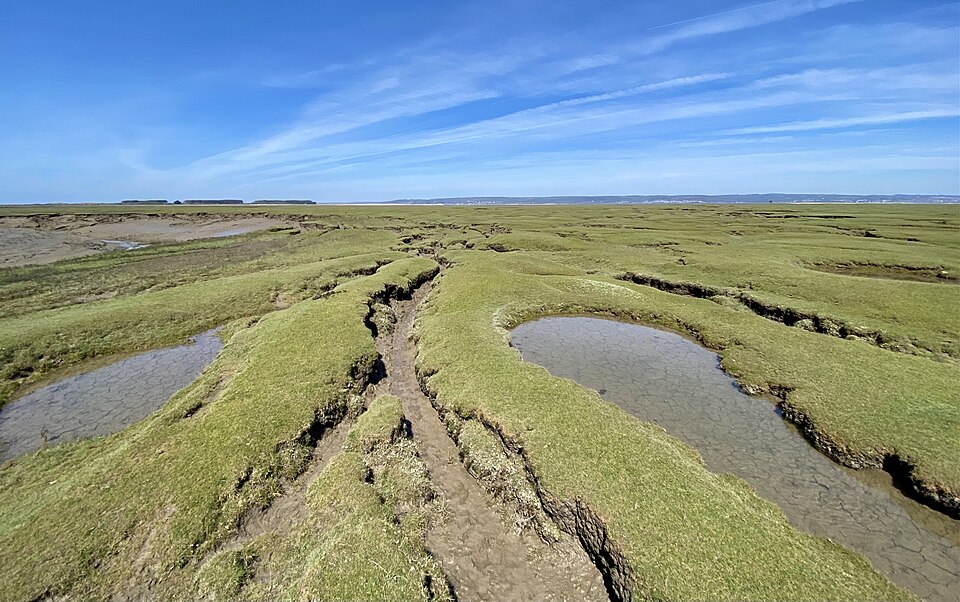
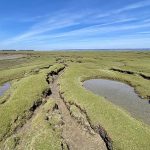
In the eighteen hundreds the village was considerably larger than it is today, with a school, shops, pubs, a forge and other businesses serving the local community. Many of the old cottages and buildings still give an impression of the village as it once was, while the surrounding countryside offers wonderful views across the marshes and Burry Inlet.
Landimore is an interesting place to visit as part of a walk around the Llanmadoc and Cheriton area. The quiet lanes and surrounding footpaths connect it with Cheriton, Bovehill and the wider north Gower countryside, making it an enjoyable area to explore for anyone interested in the landscape and history of this part of north Gower. Landimore once included the community of Cheriton which adopted that name only after the building of the medieval church. An inundation by the sea in 1014 destroyed the original Landimore church which was on the site of Cheriton church.